
How the Holidays Can Affect Older Adults: Supporting Health, Connection and Independence
The holidays have a way of bringing people together. Families travel, familiar recipes return to the table, and traditions create opportunities to reconnect with people we may not see as often throughout the year. For many older adults, these moments are especially meaningful, offering a sense of belonging, continuity and connection across generations.
But the holiday season can also bring challenges that are easy to overlook. Changes in routine, busy gatherings, travel, grief or the absence of familiar faces can affect how someone feels and participates. For older adults managing health conditions, recovering from illness or experiencing changes in mobility, even enjoyable celebrations may require a little more planning.
Supporting an older loved one during the holidays doesn’t necessarily mean changing family traditions. Often, it means making thoughtful adjustments so they can continue participating in the moments that matter most.
Why the Holidays Can Feel Different as We Age
The holidays can carry a lifetime of memories. A familiar song, a favorite meal or a family gathering may bring back cherished experiences and remind someone of the people and traditions that have shaped their life.
Those same reminders can also bring feelings of loss. An older adult who has lost a spouse, sibling, close friend or longtime companion may find that certain traditions feel different without them. Others may live far from family, have difficulty traveling or no longer participate in community activities they once enjoyed.
It’s important not to assume that every older person feels lonely during the holidays. Many remain socially active, enjoy time alone or prefer quieter celebrations. What matters is understanding the individual and recognizing when their emotional well-being or level of engagement has changed.
The Centers for Disease Control and Prevention identifies social isolation and loneliness as concerns associated with increased risks to physical and mental health. Although the holidays can bring these issues into sharper focus, meaningful social connection is important throughout the year. CDC
Maintaining Familiar Routines During a Busy Season
Holiday celebrations often introduce changes to everyday schedules. Meals may take place later than usual, visitors come and go, and activities extend well beyond someone’s typical bedtime. While these changes can be enjoyable, they may also be tiring or difficult for someone who relies on a consistent routine.
Older adults managing chronic conditions, taking medications on a schedule or living with cognitive changes may benefit from keeping important parts of their day familiar. Regular meals, adequate rest, medication routines and opportunities for quiet time can help make celebrations more comfortable.
Families can make small adjustments without sacrificing the occasion. Consider scheduling gatherings earlier in the day, providing a comfortable place to rest or allowing someone to participate for a shorter period. For an individual living with dementia, familiar surroundings, recognizable activities and a predictable schedule may help reduce unnecessary confusion or distress.
The goal isn’t to create a perfect holiday schedule. It’s to make room for each person’s needs while preserving the traditions they enjoy.
Making Holiday Gatherings Comfortable and Accessible
A welcoming holiday gathering involves more than preparing a meal or decorating a home. It also means considering whether everyone can participate comfortably and safely.
For someone experiencing changes in mobility, a crowded living room, unfamiliar staircase or long walk from the driveway may present challenges. Loose rugs, extension cords, decorations placed along walkways and poorly lit entrances can introduce additional hazards.
A few practical adjustments can make a meaningful difference. Clear walking paths, provide sturdy seating, keep frequently used items within easy reach and consider whether someone may need assistance navigating stairs or entering the home.
Accessibility also extends beyond physical movement. An older adult with hearing difficulties may find it challenging to follow conversations in a noisy room. Someone who becomes easily fatigued may prefer a smaller gathering or a quiet space away from the activity.
Including older loved ones in these decisions matters. Rather than assuming what they can or cannot manage, ask what would make the occasion more enjoyable for them.
The Importance of Meaningful Connection
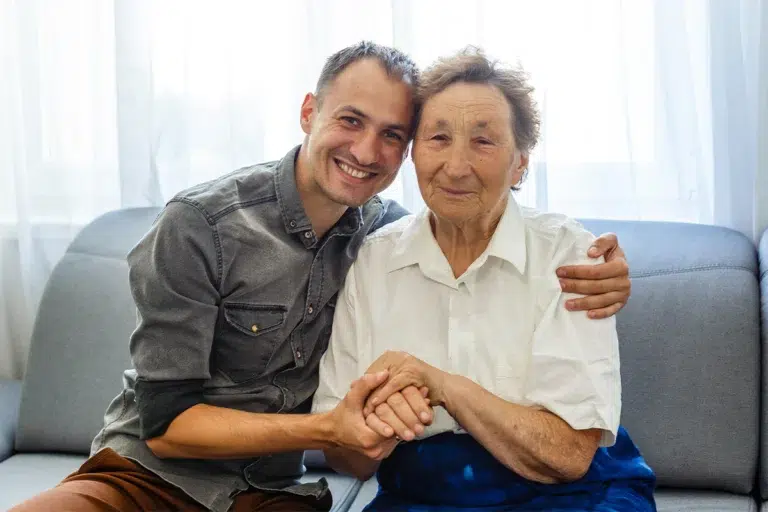
Holiday connection doesn’t have to mean a large family gathering. For some older adults, a quiet afternoon with a grandchild, a phone call from an old friend or an invitation to participate in a familiar activity may be more meaningful than an elaborate celebration.
Small gestures can help someone feel included. Preparing a family recipe together, looking through photographs, listening to favorite music or sharing stories can create opportunities for conversation and connection. When distance makes in-person visits difficult, a scheduled phone or video call can help maintain relationships.
It’s also worth remembering that meaningful participation looks different for everyone. Someone who once hosted an entire holiday dinner may no longer want to manage the preparation but may still enjoy helping choose the menu, setting the table or sharing a family tradition.
Supporting independence means recognizing what someone still enjoys doing and finding ways to make those activities accessible.
Supporting Older Adults Living With Chronic Illness or Recovering at Home
The holiday season doesn’t put ongoing health needs on hold. Older adults recovering from surgery, managing chronic conditions or adjusting after hospitalization may have limitations that affect their ability to travel, entertain visitors or participate in celebrations.
Families can help by understanding current medical recommendations, respecting activity limitations and avoiding pressure to participate beyond what feels comfortable. A shorter visit, smaller gathering or celebration at home may be more appropriate than a full day of travel.
For individuals who require physician-directed skilled nursing, rehabilitation therapy or other medically necessary services, home health care may play an important role in supporting recovery and helping them manage health needs at home. These services are based on clinical needs and eligibility, rather than the demands of the holiday season itself.
When a loved one’s health has recently changed, families should communicate with their healthcare team about any concerns and how planned activities may affect recovery.
Honoring Traditions During Serious Illness
For families supporting someone with an advanced or life-limiting illness, the holidays may take on a different meaning. The focus may shift from planning a large celebration to creating moments of comfort, connection and togetherness.
Traditions don’t necessarily need to disappear. They can be adapted to reflect the person’s energy, preferences and wishes. A favorite holiday meal might become a small tasting of familiar foods when medically appropriate. A large gathering might be replaced by a few shorter visits. Music, photographs, spiritual traditions or simply spending quiet time together may carry particular significance.
For individuals receiving hospice care, comfort, dignity and quality of life remain central to the care plan. Hospice teams can support patients and families as they navigate symptoms, emotional needs and meaningful activities, including during the holiday season.
There is no single right way to celebrate when someone is seriously ill. What matters most is respecting their wishes and making space for the experiences and relationships they value.
When Additional Help at Home May Make a Difference
Holiday visits can provide families with a better understanding of how an older loved one is managing everyday life. Spending time together may reveal that grocery shopping has become difficult, household responsibilities are more tiring or someone is relying increasingly on relatives for transportation and personal care.
These observations don’t automatically mean professional care is necessary. Sometimes a change in routine, additional family involvement or a practical adjustment at home is enough.
In other situations, consistent assistance may help someone remain comfortable and independent. In-home care can provide support with everyday activities such as meal preparation, personal care, mobility and companionship, depending on the individual’s needs and available services.
The important distinction is that assistance should respond to an ongoing need, not simply the fact that someone is getting older. Families who notice new, repeated or worsening changes can begin by having a respectful conversation and involving a healthcare professional when medical concerns are present.
Keeping the Connection Going After the Holidays
One of the challenges of the holiday season is that the increased activity and family contact eventually come to an end. Visitors return home, routines resume and older adults who enjoyed frequent company may find themselves spending more time alone again.
Families can help maintain that sense of connection by making plans that extend beyond the celebration. Regular phone calls, shared activities, community programs and visits throughout the year can provide something to look forward to while supporting meaningful relationships.
The holidays can also be an opportunity to talk about future needs without turning the gathering into a formal care-planning meeting. A conversation about transportation, home safety or activities someone would like to continue enjoying may open the door to practical solutions.
If additional assistance becomes appropriate, understanding the available home-based care services can help families explore options that align with their loved one’s health, preferences and goals.
Making Every Season Meaningful
The holidays are often measured by traditions, gatherings and time spent together. For older adults, the most meaningful experiences may be the simplest ones: being included in a conversation, sharing a familiar story, enjoying a favorite meal or knowing that someone is thinking of them.
Supporting health and well-being during the holidays isn’t about doing more. It’s about paying attention to what matters to the person, respecting their independence and making thoughtful adjustments when needed.
And while the season may provide a special reason to reconnect, the care, consideration and relationships that support older adults deserve attention throughout the year.
For families exploring additional support, LifeCare Home Health & Hospice Family brings together locally operated providers offering home-based care across multiple communities. You can find a LifeCare provider near you to learn more about services available in your area.
About the Author

Renan Augusto
Marketing Manager, LifeCare Home Health & Hospice Family
Blending digital innovation, compassion, and strategy to elevate home health, in-home care, and hospice across the LifeCare Home Health & Hospice Family.
Renan Augusto is a digital marketing strategist with a Master of Science in Digital Marketing and extensive experience in the senior care industry. He brings a strategic, people-first approach to the LifeCare Home Health & Hospice Family, helping families across the country better understand their care options through clear, compassionate, and meaningful communication.
With extensive experience in the senior care space, Renan has helped hundreds of families begin home care services. As a former Certified Dementia Practitioner, he brings valuable knowledge, empathy, and clarity to every project, ensuring that education and outreach remain accessible, respectful, and centered on real people.
Renan previously served as Marketing Chair for GROWS (Grassroots Organization for the Well-being of Seniors) and continues to serve as an Advisor. GROWS is a nonprofit organization focused on strengthening the senior care community through advocacy, education, and collaboration. His work centers on connection, authenticity, and digital strategies that make a meaningful difference in people’s lives.